Welcome to our dedicated space where we highlight the voices of our local leaders. Here, we share a collection of thoughtful perspectives, innovative ideas, and strategic visions that are driving positive change across our community. By bringing together the diverse opinions of those at the forefront of local leadership, we aim to foster a deeper understanding and stimulate meaningful conversations among our residents. Explore the insights that are shaping our community’s future, and join us in discussing the paths forward in various sectors, including education, healthcare, economic development, and more.
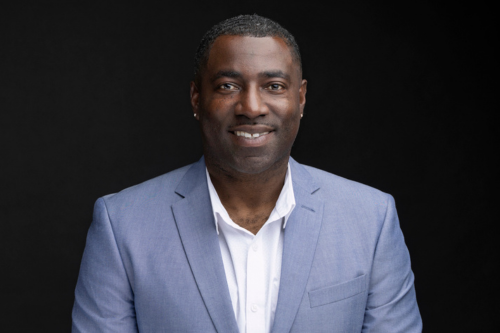
"If you never have the resources or platform, your vision only goes as far as what you see. Growing up, all I saw was a pulpwood truck drive by my house every day. That’s what I thought I was going to be. If we don’t expose kids to different opportunities, they won’t dream bigger. Access is everything. A student’s financial situation should never determine the level of opportunity they receive."

—Reggie Stephens, former NFL player and community leader

A Conversation with Reggie Stephens

Reggie Stephens, M.S. is a former NFL player, music industry professional, community leader, and founder of the Reggie Stephens Foundation. Born in Shreveport, Louisiana, Stephens moved to Santa Cruz in 1990, where he became a Hall of Fame multi-sport athlete at Santa Cruz High School and later a Hall of Fame coach at Scotts Valley High School. His athletic journey took him from Cabrillo College to a standout career at Rutgers University, and to the NFL, where he played defensive back for the New York Giants and reached the Super Bowl.

Beyond his success on the field, Stephens has built a dynamic career in arts and culture. As a voting member of the Recording Academy, he has collaborated internationally with Grammy-nominated Mexican musicians from Mexico City and Veracruz, blending hip-hop with jazz and traditional Son Jarocho influences.

Stephens has also built a strong international presence through his work in Mexico City, where he travels annually. His experiences there have been impactful both culturally and professionally, as he has been welcomed with profound respect as a music artist, former athlete, and community leader. Over the past two years, he has completed more than 100 interviews, using his platform to share his story and highlight the work of the Reggie Stephens Foundation on a global level.

Stephens returned to Santa Cruz and founded the Reggie Stephens Foundation in 2018. Today, the foundation serves 500+ student-athletes annually, providing free sports training, mental wellness support, arts education, and college preparation.

You have deep roots in Santa Cruz County as a student-athlete, coach, mentor, and community leader. Could you tell us a little bit about your background and how it has shaped your journey when it comes to racial equity, justice, and education?
Growing up in Shreveport, Louisiana, it was still very segregated. When you went to school, you had Blacks over here and whites over there. Even though we were on sports teams together, I never went to a white person’s house. I moved to Santa Cruz in 1990. My dad got a job at Seagate, and he sent for me, my mom, and my sister. We took a bus here, and that was one of the most eye-opening experiences of my life. It was like there are Latinos, Blacks, Whites, and Asians, all these people in a melting pot that I had never experienced before. I had to catch up very quickly. Going to Santa Cruz High School was great for me because there was a diverse group of people who could talk with each other, share perspectives, and help me grow. The biggest thing for me was going into people’s households. I had Mexican friends who introduced me to new foods and culture. I would go to a white friend’s house, and they would say, “Come on in,” and I would say, “Nope, ask your parents first.” That was a shock to them, but that is how I was raised. Getting on the football team at Santa Cruz High was where I built my first real connections it’s where I met many of my friends even before the school year started. From there, it took off. I went to Cabrillo College, then Rutgers University, and then to the New York Giants and the Nashville Kats before creating the nonprofit. Along the way, I had great mentors. Tony Hill, Geoffrey Dunn, and George Ow were instrumental in my development through their mentorship in life and business. Moving to Santa Cruz put me around great people, but I also saw the differences. In Louisiana, racism was direct. In Santa Cruz, it was more hidden, but still there. It sharpened me. Later, Louie Walters gave me a coaching opportunity at Scotts Valley High School. I was working with young student-athletes for free, and when issues came up, I reflected on my own experiences. That’s when everything clicked, I realized this was my calling. I wasn’t born and raised here, so my ability to come in and build bridges across cultures Black, White, Asian, and Latino communities, has been one of my greatest strengths.
Why is it important to create opportunities for students outside the classroom?
It’s especially important so they can understand who they can become. If you never have the resources or platform, your vision only goes as far as what you see. Growing up, all I saw was a pulpwood truck drive by my house every day. That’s what I thought I was going to be. If we don’t expose kids to different opportunities, they won’t dream bigger. Access is everything. A student’s financial situation should never determine the level of opportunity they receive. At RSF, we bring those worlds together. Our 500+ student-athletes come from Black, Latino, white, Asian, and multicultural backgrounds, working and growing side by side.
Why is it important to create opportunities for students outside the classroom?
It’s important, especially in the work that I do, to understand a student culturally. You can give a kid the curriculum, but they might not understand it if it doesn’t connect to their background. I feel like sometimes teachers, coaches, and principals need to be more patient. Everything is fast now microwavable. It’s “here it is, go,” instead of really sitting down with kids and understanding where they come from. A student might be one way, but their parents might come from a completely different culture. That student ends up having to explain everything. I was one of those kids. My parents didn’t know what FAFSA was, I had to figure it out myself. Kids need more resources, more patience, and to be heard. That’s why it’s important they see themselves reflected in staff. But if they don’t get it there, they need outside support. That’s where the Reggie Stephens Foundation comes in. We help catch what slips through the cracks and work alongside schools. It takes a village.
Tell us a little bit more about the Sunday Sessions.
Sunday Sessions has been going for about four years. It started when I was coaching at Scotts Valley High, training kids on a small field. Then I had a girl named Citlali Lopez, from Scotts Valley and Santa Cruz High School, who wanted to play tackle football. I taught her everything, Cover 2, Cover 3, backpedaling. She came in as the only girl in a group of 40 boys. Within a month, she was running the sessions. I saw leadership in her right way. As the program grew, it turned into three structured groups in the morning: 7:30 a.m. for high school athletes, 8:30 a.m. for youth, and 9:30 a.m. for girls. We also opened it up to mothers and women who wanted to be part of it. I hand out shirts that say “Seek. Believe. Achieve.” That created its own culture. My Education Director, TaRaya Lundy, connects with parents on the sidelines and helps guide our college and HBCU pathways. Now it’s everything; training, leadership, exposure, and college prep. If you don’t have a place somewhere else, you can come here and become a leader. Sunday Sessions is the backbone of RSF.
What have you learned from students?
I’ve learned how resilient they are and how much they pay attention to detail, especially my female athletes. They care. When you treat them right, they go above and beyond. They can feel your energy without you saying anything. I’ve also learned to listen and give them a voice. When you respect them, they step up.
What do we need to create a real sense of belonging and safety for our youth?
It starts with listening. Kids can lead more than we think. They understand each other in ways adults sometimes don’t. When you empower them, they can help guide others. Belonging comes from trust and giving them ownership.
What do students get out of HBCU tours?
Growing up in Santa Cruz, I heard nothing about HBCUs from counselors. That changed when I took students to visit Morgan State University. That experience showed me how powerful exposure is. When students see something for themselves, it becomes real. With the support of our Education Director, TaRaya Lundy, we’ve been able to expand this work, connecting with families, guiding students through the college process, and building stronger educational pathways tied to these tours. Some of the students we took had never even been on an airplane before, and many of them had never truly felt wanted in those spaces. To give them a real college experience, to let them walk a campus and see themselves there meant everything. We expanded the program to include students from diverse backgrounds, including Latino communities. Now we have multiple students attending Morgan State because they were able to see a path they didn’t know existed. I’m also grateful to have received the Vision Award for my nonprofit and community work from Dr. Douglas F. Gwynn. That meant a lot because it reflects the impact of building real opportunities for our youth.
What else do you want people to know about the Reggie Stephens Foundation?
We’re not just a sports program, we’re a community. “Tribe first.” Whether you’re an athlete, artist, or creative, there is a place for you. We started in 2018 with just 46 kids, and today we have grown to serve 500+ student-athletes across our programs. That growth shows the need in the community and the impact we’re making. We also have dedicated support from Zenith Prep Academy, which has helped provide college preparation resources and opportunities for our student-athletes to reach the next level. We support students and families with resources, mentorship, and opportunity.
What motivates you to keep doing this work?
I embrace the dark times. That’s where growth happens. My leadership style is rooted in servant leadership, putting others first and creating opportunities for others. I have learned there are people who take, and people who give. I’m a giver. I had mentors who showed up for me, and now I’m committed to being that same bridge for the next generation.
What does “Seek. Believe. Achieve.” mean to you?
It’s everything. Seek the knowledge. Believe in the vision. Achieve the goal. But for me, it’s also about results and impact. It’s about helping student-athletes turn their goals into reality. That looks like helping student-athletes get to college, like Qwentin Brown, who I helped guide to Brown University. He’s just one example of many student-athletes I’ve helped achieve their goals through education and opportunity. “Seek. Believe. Achieve.” isn’t just a slogan, it is a process we live out every day.
What is your vision for the future?
We need a multi-sport complex with fields, courts, and cultural spaces to better serve our community. Right now, families are traveling outside the area. We can build that here. This facility would allow us to serve even more student-athletes and become a stronger support system for our local school systems. This isn’t about me; it is about creating something for the next generation.

More From Featured Guests

Elaine3

A Conversation With Elaine Johnson

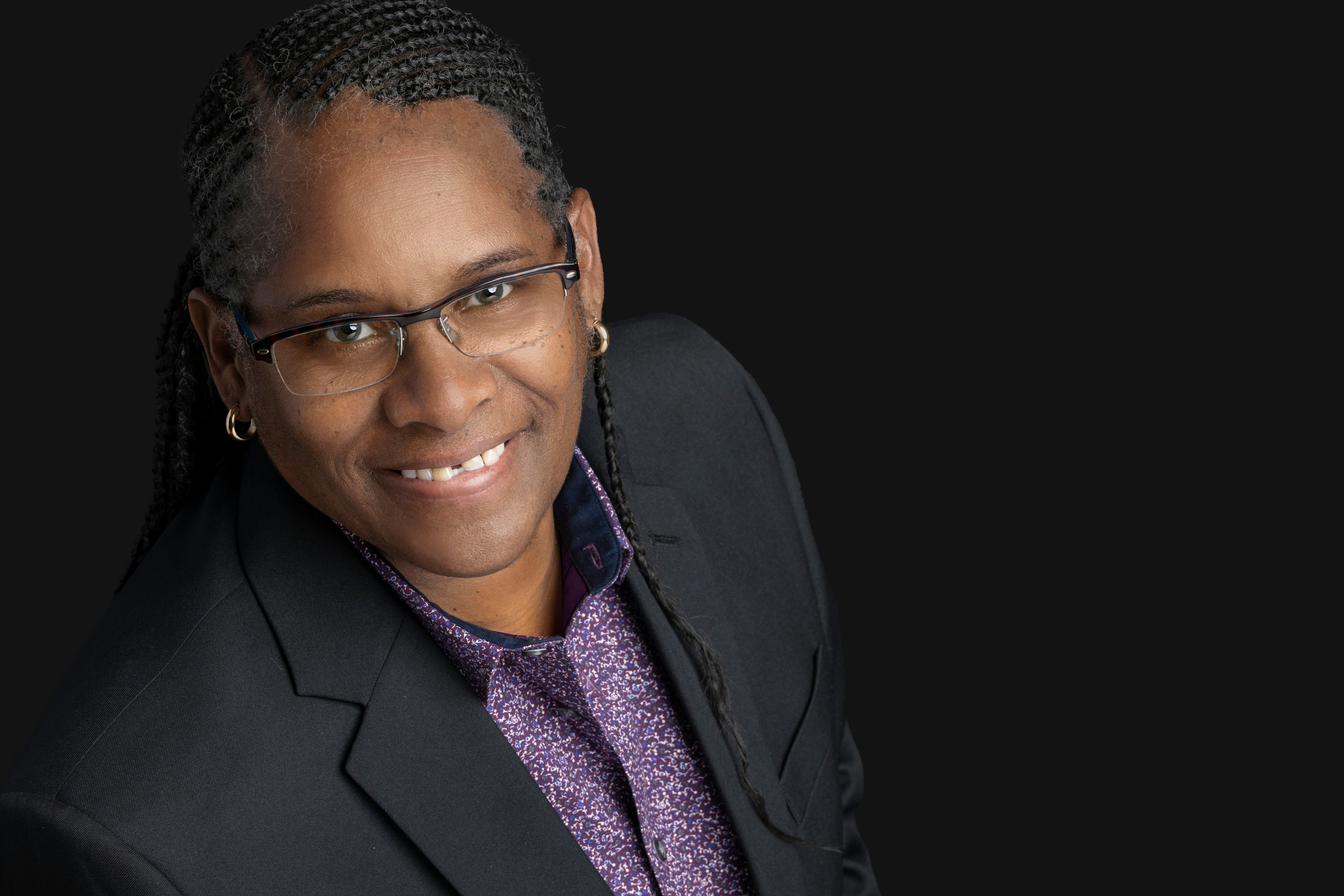
"What gives me hope is the students themselves. I see young people using their voices to challenge injustice, educate their peers, and push for systemic change. When we continue to educate, empower, and uplift, the future of racial equity in education remains bright."

— Elaine Johnson, NAACP President, Santa Cruz Chapter

A Conversation with Elaine Johnson

Why is it important to ensure that young people of all racial identities see themselves reflected in history curriculum?
It’s essential for young people of all racial identities to see themselves reflected in history because it shapes their sense of identity, belonging, and possibility. When students see their histories, cultures, and contributions represented, they understand that they are a vital part of the larger story. A diverse and accurate curriculum not only affirms their worth but also fosters empathy, broadens perspectives, and challenges stereotypes. Ensuring inclusive history education helps build a more just and informed society where all students feel valued and empowered to shape the future.
What are some of the stories or lessons from Black history that feel especially relevant for students and educators to discuss in classrooms today?
Several lessons from Black history remain deeply relevant today. The resilience and organizing power of the Civil Rights Movement provide a roadmap for current social justice efforts. The work of Martin Luther King Jr., the activism of Fannie Lou Hamer, and the economic empowerment strategies of figures like Madam C.J. Walker all connect to ongoing struggles for workers' rights, voting access, and economic justice. Additionally, lesser-told stories—such as the role of Black women in the suffrage movement or the impact of Black communities on environmental justice—offer powerful insights for students today.
What are some misconceptions or gaps in understanding about Black history that you see in schools, and how can educators help address them?
One major misconception is that Black history begins with slavery and ends with the Civil Rights Movement. This narrative erases thousands of years of rich African history and the ongoing contributions of Black people today. Another gap is the lack of focus on Black joy, innovation, and leadership in fields like science, literature, and the arts. Educators can address this by integrating Black history across all subjects—not just in February—and using primary sources, oral histories, and contemporary voices to tell fuller, more accurate stories.
How have you been reflecting on the theme of 2025 Black History Month, “African Americans and Labor,” which encourages us to focus on the ways labor of all kinds intersects with the collective experiences of Black people?
This theme is incredibly powerful because it highlights the vital yet often undervalued contributions of Black labor throughout history. From forced labor under slavery to the struggles of Black workers in labor unions, to today’s fights for fair wages and economic justice, the Black labor experience is deeply tied to the nation’s economic foundation. I’ve been reflecting on the resilience of Black workers and the continued importance of advocating for workplace equity, fair pay, and economic policies that uplift historically marginalized communities.
What advice would you give to educators who may feel uncertain or hesitant about facilitating discussions on race and history in their classrooms?
Start with humility and a willingness to learn alongside your students. You don’t have to have all the answers—just a commitment to truth and open dialogue. Create a safe space where students feel heard and valued, and use historical and contemporary resources to guide discussions. Collaborate with community organizations, attend professional development on racial literacy, and don’t shy away from difficult conversations. Education should challenge and inspire, and that includes reckoning with history honestly.
How should schools and education leaders work in partnership with organizations like the NAACP to advance the school community’s understanding of the concept of racial justice?
Schools should actively seek partnerships with organizations like the NAACP to bring in speakers, host workshops, and co-develop curriculum that reflects diverse perspectives. These partnerships can also help establish mentorship programs, provide advocacy training for students, and create policies that ensure racial equity in disciplinary actions, hiring practices, and resource allocation. Racial justice in education is not just about what’s taught in the classroom—it’s about creating a school culture that uplifts and affirms all students.
What are some of the ways young people can engage in civic action and advocacy around racial justice in their schools and communities?
Students have incredible power. They can advocate for inclusive curricula, push for policies that ensure equity in school resources and discipline, and organize events that foster dialogue on racial justice. Joining or starting student-led organizations, participating in local government meetings, volunteering with advocacy groups are all meaningful ways to take action. Every movement for justice has been fueled by young people—history has proven that time and time again.
In what ways can our schools go beyond curriculum to create school environments that actively promote racial equity and justice?
Schools must ensure that racial equity is not just a subject in the classroom but a value reflected in every aspect of school life. This means hiring diverse educators, addressing racial disparities in disciplinary actions, and providing safe spaces for students to discuss identity and belonging. It also means celebrating diverse cultures throughout the year, not just during designated months, and ensuring that all students feel valued and seen in their school community.
While we are in an uncertain and challenging moment, what gives you hope for the future of racial equity in education?
What gives me hope is the students themselves. They are more engaged, informed, and willing to demand change than ever before. I see young people using their voices to challenge injustice, educate their peers, and push for systemic change. I also see educators and community leaders stepping up to ensure that truth is not erased from the classroom. Progress may be slow, but history has shown us that collective action leads to real transformation. When we continue to educate, empower, and uplift, the future of racial equity in education remains bright.